

CIRCULATION – DIGESTIVE & SUGAR CORRECTIVE – CLEARS STAGNATION
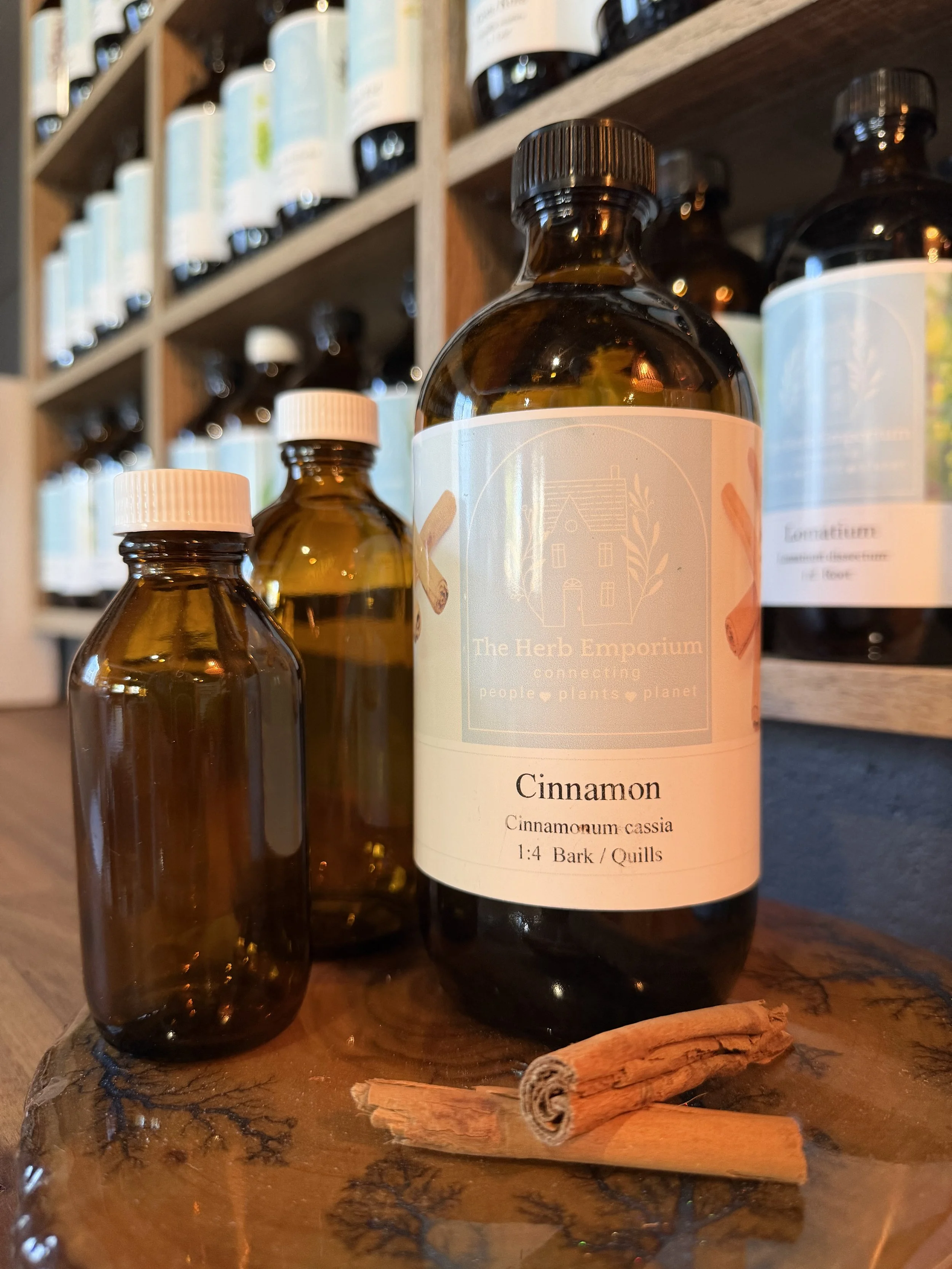
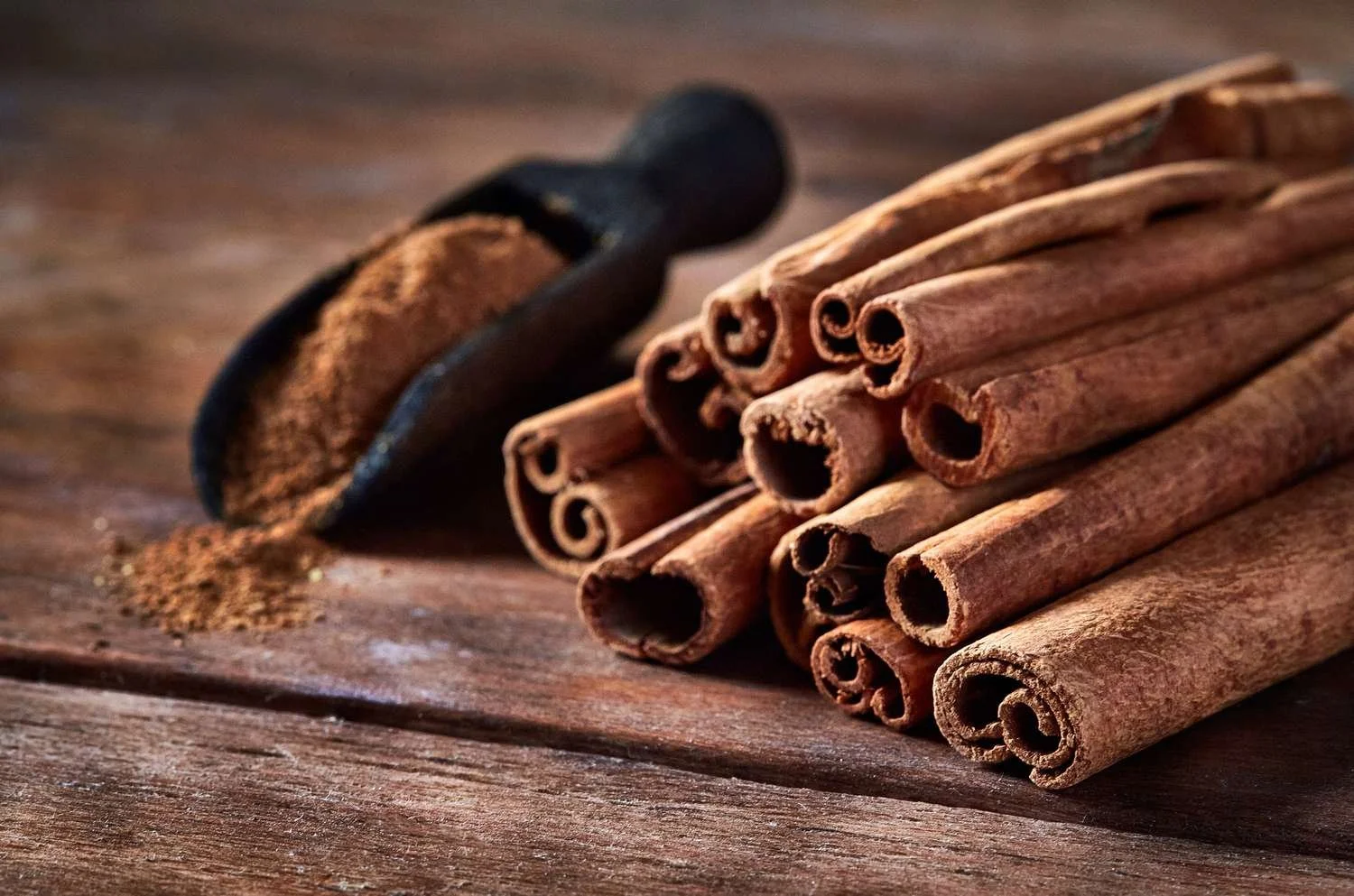
Cinnamon is the spice that brings warmth, movement and vitality to the body. Sweet, spicy and deeply activating, it ignites digestion, strengthens circulation and awakens sluggish systems. Where there is cold, stagnation or dampness, cinnamon steps in to restore flow.
Indications:
Circulation & cold conditions – Warms the body and promotes healthy blood flow, especially in cold hands, feet, and lower body stagnation. Strengthens yang energy and brings vitality where there is fatigue or chill.
Digestive support – A classic carminative that relieves bloating, gas and sluggish digestion. Stimulates digestive fire and assists in clearing dampness and toxin build-up.
Blood sugar balance – Supports healthy glucose metabolism and insulin sensitivity. Useful in cases of sugar cravings, metabolic sluggishness and type 2 diabetes tendencies.
Immune & antimicrobial – Warming and protective, cinnamon helps the body fight colds, flus and infections while stimulating circulation to enhance immune response.
Tissue toning & mucus reduction – Mildly astringent, helping to tone tissues and reduce excess mucus in the respiratory and digestive systems.
As a tea…
1 cinnamon stick or ½–1 teaspoon powder per cup of boiling water.
Steep 10–15 minutes. Drink 2–3 times daily.
As a tincture…
Take 2–4ml up to three times daily (1:5, 40–50% alcohol).
Most like:
Ginger – Both warming and digestive stimulants. Ginger is more dispersing and anti-inflammatory, while cinnamon is more toning and blood sugar regulating.
Clove – Shared antimicrobial and warming qualities. Clove is stronger, more pungent and analgesic; cinnamon is gentler and more circulatory.
Cardamom – Also a warming digestive, though more aromatic and soothing. Cardamom calms the stomach; cinnamon stimulates and dries dampness.
Nutmeg – Warming and digestive, though more sedative in nature. Cinnamon is more activating and metabolically focused.
Cassia Cinnamon – A stronger, more heating relative. Higher in coumarin, making Ceylon cinnamon the preferred choice for long-term use.
Cautions:
High doses – Particularly with cassia cinnamon, may pose risk due to coumarin content affecting liver health.
Blood thinning – Use cautiously alongside anticoagulant medications.
Heat conditions – Due to its warming, drying nature, may aggravate excess heat or inflammation in sensitive individuals.
Essential oil use – Highly concentrated and can irritate skin; always dilute appropriately.
CIRCULATION – DIGESTIVE & SUGAR CORRECTIVE – CLEARS STAGNATION
Cinnamon is the spice that brings warmth, movement and vitality to the body. Sweet, spicy and deeply activating, it ignites digestion, strengthens circulation and awakens sluggish systems. Where there is cold, stagnation or dampness, cinnamon steps in to restore flow.
Indications:
Circulation & cold conditions – Warms the body and promotes healthy blood flow, especially in cold hands, feet, and lower body stagnation. Strengthens yang energy and brings vitality where there is fatigue or chill.
Digestive support – A classic carminative that relieves bloating, gas and sluggish digestion. Stimulates digestive fire and assists in clearing dampness and toxin build-up.
Blood sugar balance – Supports healthy glucose metabolism and insulin sensitivity. Useful in cases of sugar cravings, metabolic sluggishness and type 2 diabetes tendencies.
Immune & antimicrobial – Warming and protective, cinnamon helps the body fight colds, flus and infections while stimulating circulation to enhance immune response.
Tissue toning & mucus reduction – Mildly astringent, helping to tone tissues and reduce excess mucus in the respiratory and digestive systems.
As a tea…
1 cinnamon stick or ½–1 teaspoon powder per cup of boiling water.
Steep 10–15 minutes. Drink 2–3 times daily.
As a tincture…
Take 2–4ml up to three times daily (1:5, 40–50% alcohol).
Most like:
Ginger – Both warming and digestive stimulants. Ginger is more dispersing and anti-inflammatory, while cinnamon is more toning and blood sugar regulating.
Clove – Shared antimicrobial and warming qualities. Clove is stronger, more pungent and analgesic; cinnamon is gentler and more circulatory.
Cardamom – Also a warming digestive, though more aromatic and soothing. Cardamom calms the stomach; cinnamon stimulates and dries dampness.
Nutmeg – Warming and digestive, though more sedative in nature. Cinnamon is more activating and metabolically focused.
Cassia Cinnamon – A stronger, more heating relative. Higher in coumarin, making Ceylon cinnamon the preferred choice for long-term use.
Cautions:
High doses – Particularly with cassia cinnamon, may pose risk due to coumarin content affecting liver health.
Blood thinning – Use cautiously alongside anticoagulant medications.
Heat conditions – Due to its warming, drying nature, may aggravate excess heat or inflammation in sensitive individuals.
Essential oil use – Highly concentrated and can irritate skin; always dilute appropriately.